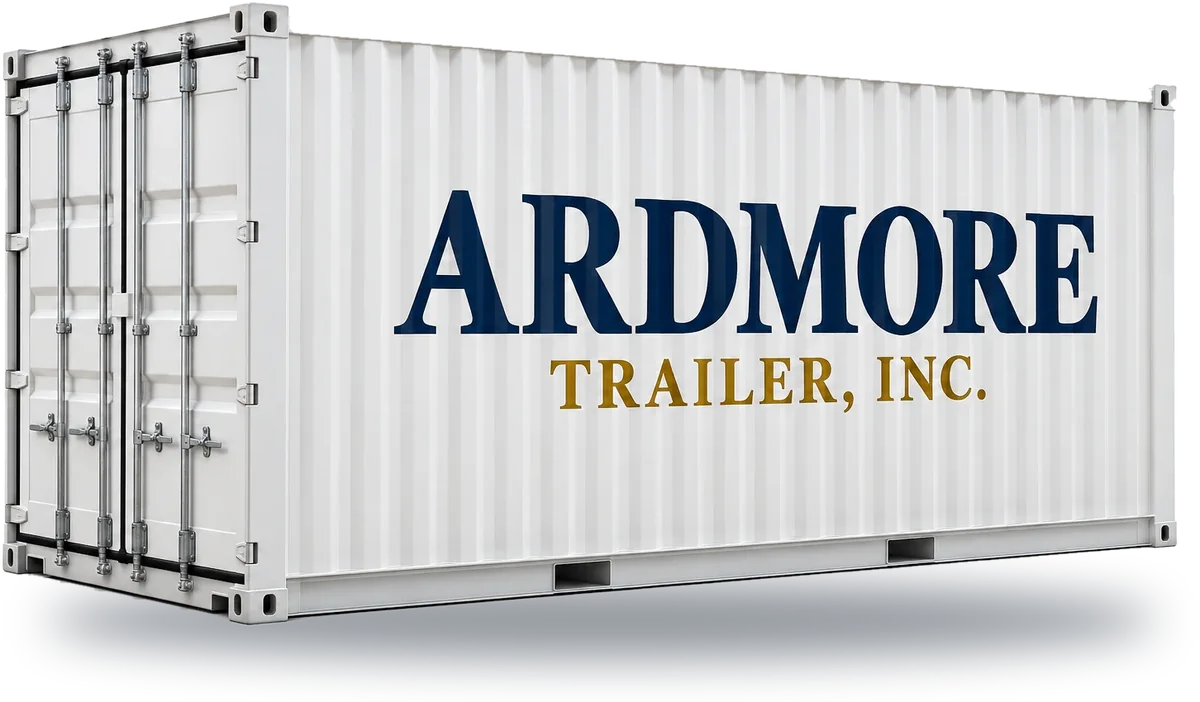
Choosing the right container size saves money and space. We rent and sell containers in 20 ft, 40 ft and 48 ft lengths — here is how they compare, and how to decide which one fits your project.
Standard dimensions
Shipping-style storage containers are built to international standards, so the sizes are consistent. Typical figures:
- 20 ft container — about 20 ft long, 8 ft wide and 8.5 ft tall outside; roughly 19 ft 4 in × 7 ft 8 in inside, with about 160 sq ft of floor space and around 1,170 cubic feet of volume.
- 40 ft container — about 40 ft long, 8 ft wide and 8.5 ft tall outside; roughly 39 ft 5 in × 7 ft 8 in inside, with about 320 sq ft of floor space and around 2,390 cubic feet of volume.
- 48 ft container — about 48 ft long and 9.5 ft tall outside (48 ft units are high cube), with roughly 47 ft of usable length inside. The 48 ft size isn't an international standard, so the width and inside measurements vary by maker — we'll give you the exact figures for the unit you choose.
Exact interior measurements vary slightly by unit — ask us if a few inches matter for your load.
Standard vs. high cube
A high cube container is one foot taller than a standard one — about 9.5 ft outside instead of 8.5 ft, with roughly 8 ft 10 in of inside height. A 40 ft high cube holds about 2,690 cubic feet, around 300 more than a standard 40 ft. Choose high cube for tall shelving, stacked boxes or equipment that won't fit under a standard ceiling; the floor space is the same.
What fits in a 20 ft container?
- The contents of a 1–2 bedroom home during a move or renovation
- Tools, materials and small equipment for a single job site
- Seasonal stock for a small retail shop
- About 9–10 standard 48 × 40 in pallets on the floor
What fits in a 40 ft container?
- The contents of a 3–4 bedroom home
- Warehouse or retail overflow, including long items
- Materials for a large construction project or multiple crews
- About 20–21 standard 48 × 40 in pallets on the floor
When to choose a 48 ft container
- Large retail or warehouse overflow that would need two smaller containers
- Long items such as pipe, lumber or equipment
- Tall loads that benefit from high cube height
- Sites with enough room for a longer delivery (see the site checklist)
How to choose
- List what you need to store and estimate pallet count or room count.
- Check your site — a 40 ft container needs more room for delivery. See our site preparation checklist.
- Think ahead — if your needs may grow during the project, one larger unit is often simpler than two small ones.
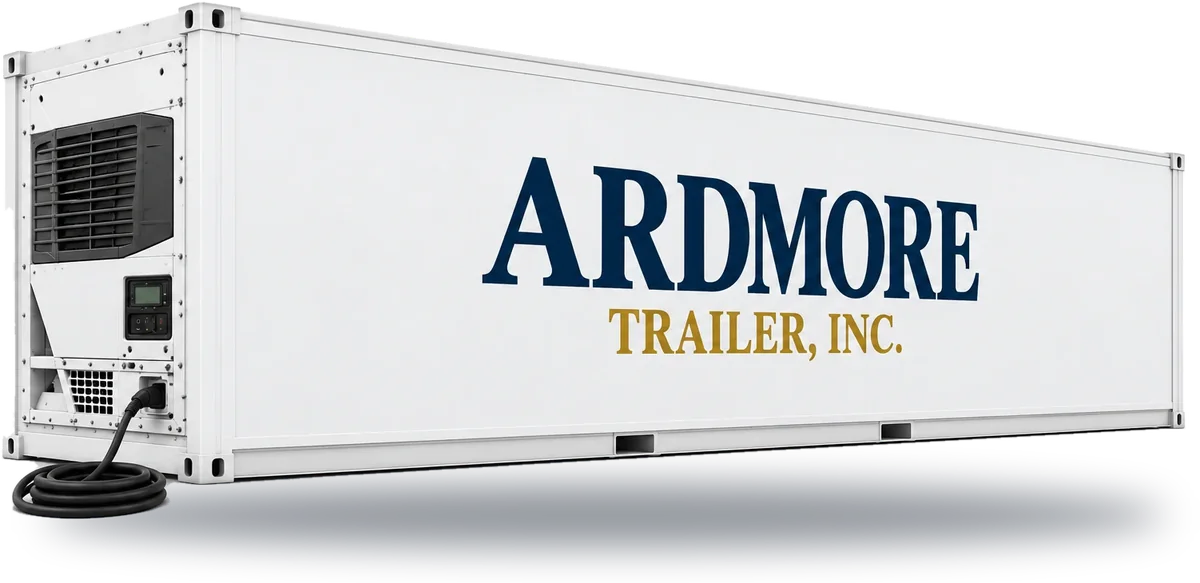
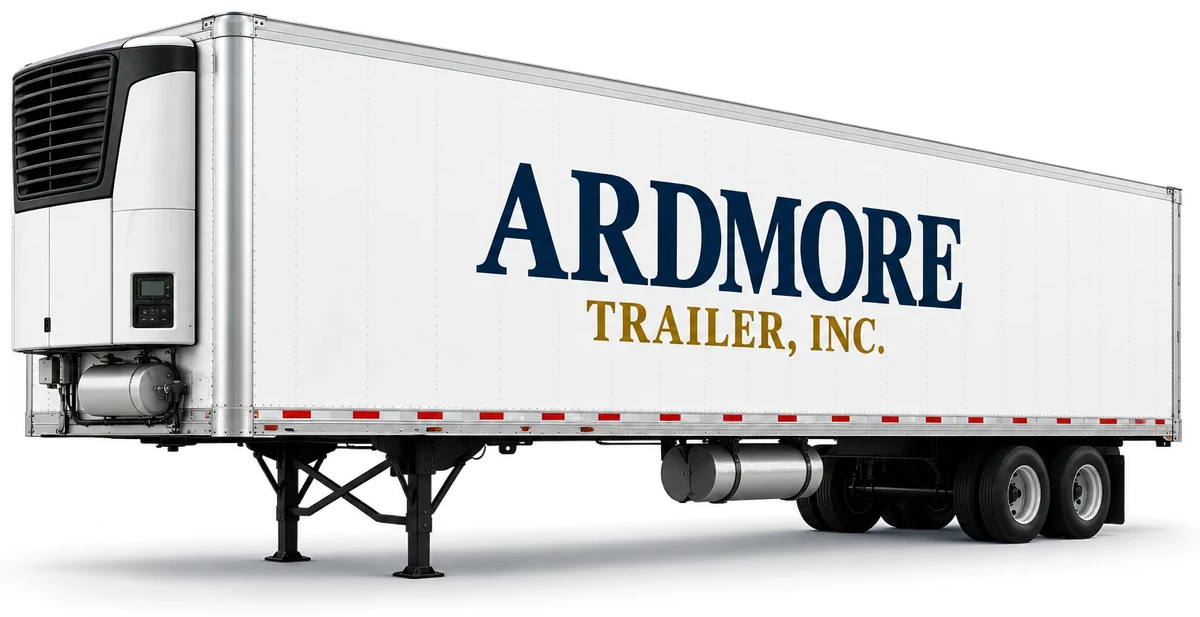
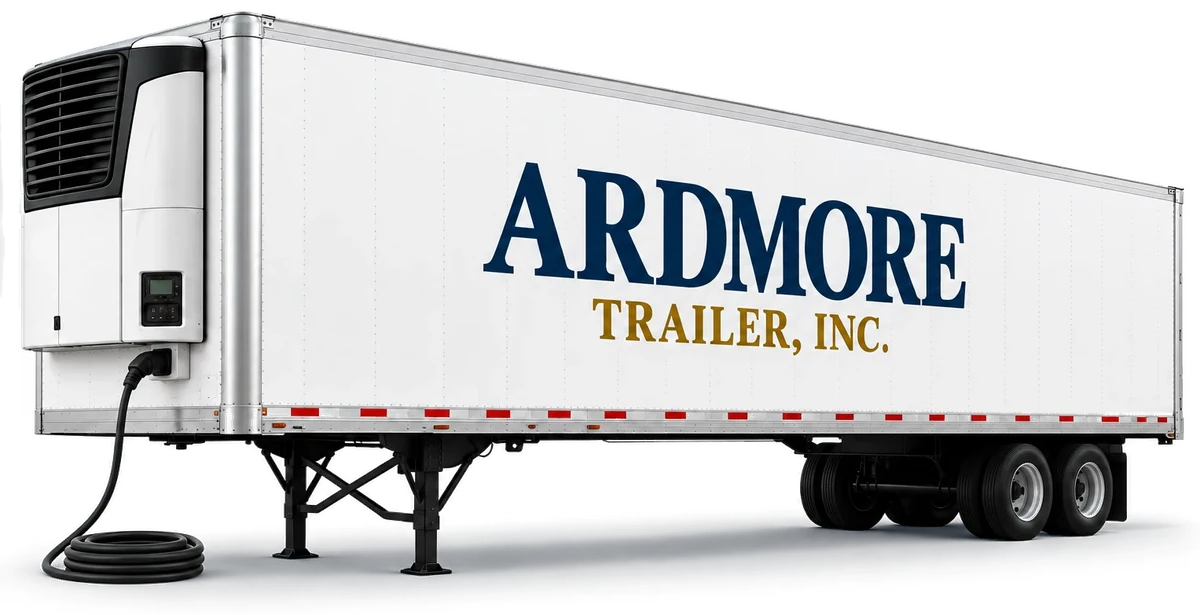
- Consider temperature — products that must stay cold need a refrigerated container instead.
Ground level means easy loading
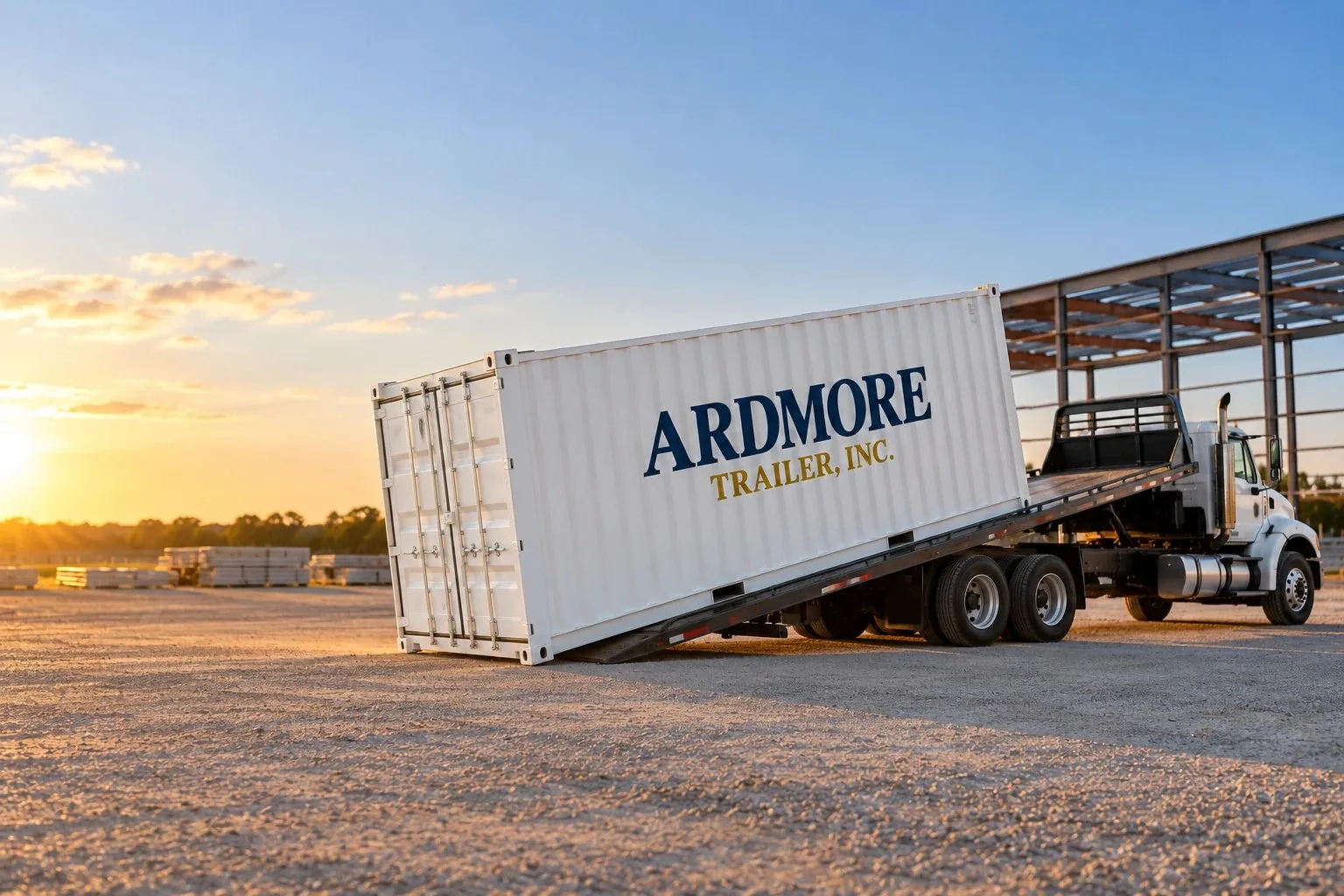
Our dry storage containers are placed directly on the ground, so you can roll a hand truck or walk straight in — no ramp or dock needed.
Not sure which size is right? Call 580-226-7811 and we'll help you choose, or request a free quote.